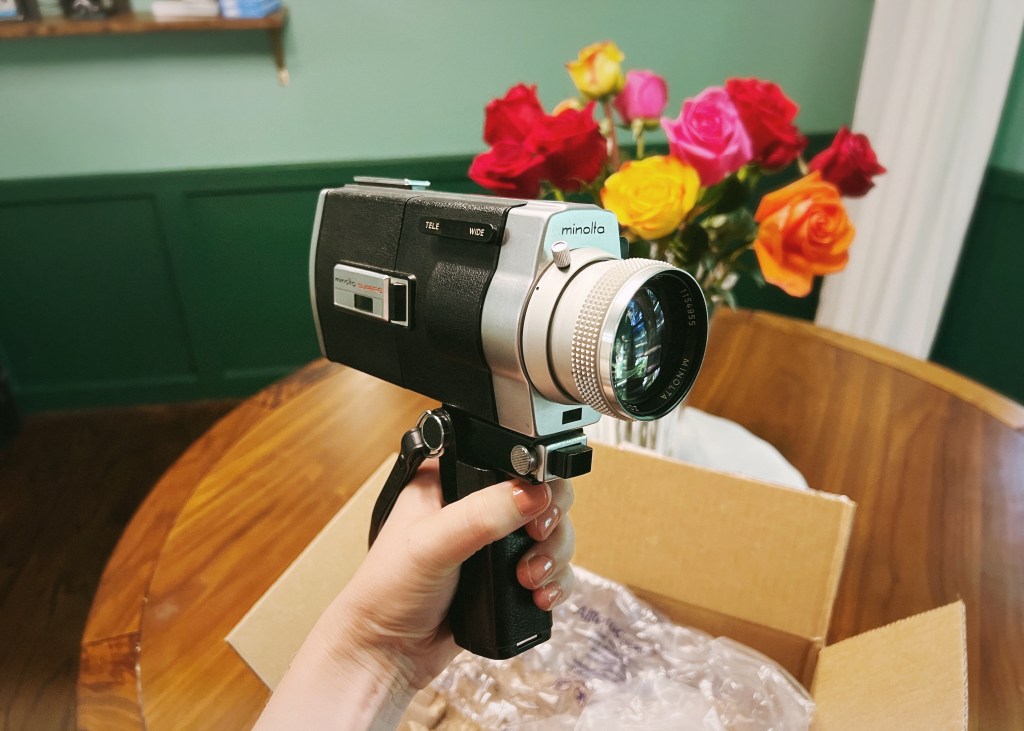
I first spotted my Minolta Autopak while perusing GoodwillFinds.com (now sadly defunct).
I was especially tempted by the promise of a Rokkor lens, the same type as my beloved Minolta XG-1.
Rokkor glass was made by Minolta in the 1970s, an impressive distinction when compared to other camera manufacturers who used pre-made glasses. The glass element was called “Rokkor”, in reference to Mt. Rokko, a mountain in Japan visible from the Minolta factory. The vintage Rokkor lenses have become a fan favorite among photographers for their sharp focus and soft bokeh. It’s hard to define the exact reason, but these lenses have a distinctive glass feel that I just adore.
She was on sale for $40. When I called my husband to get his weigh-in, his response was: “What’s $40? Get it.”
He did not yet know that the cartridges to actually make the camera run would run $39.95… but this is the same story with most of our vintage cameras. It’s not the cost of the camera that will get ya, it’s the film.
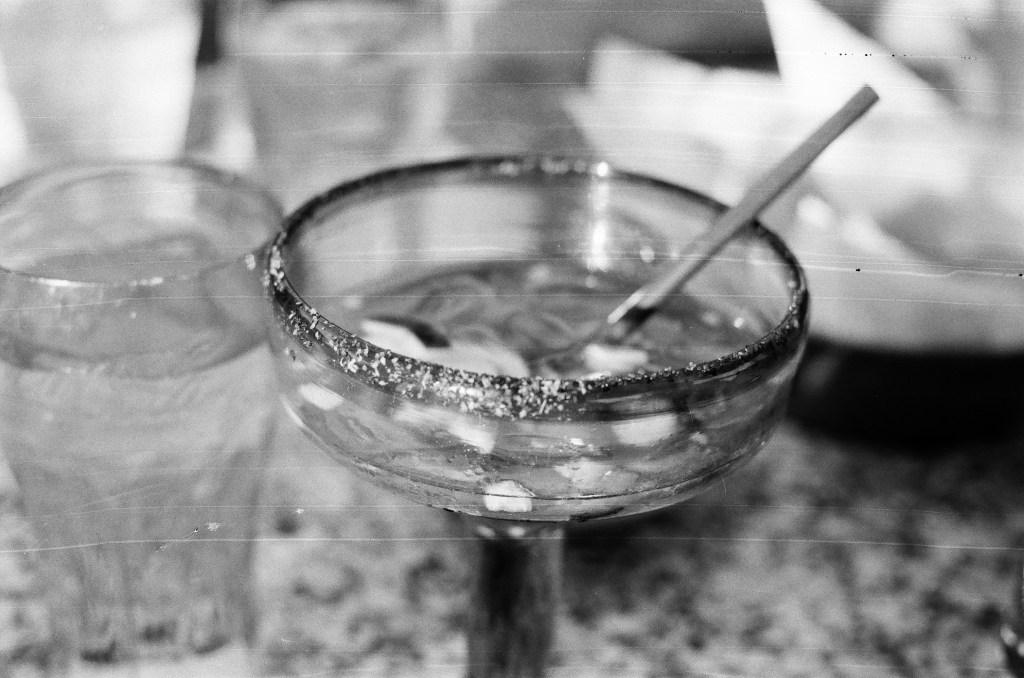
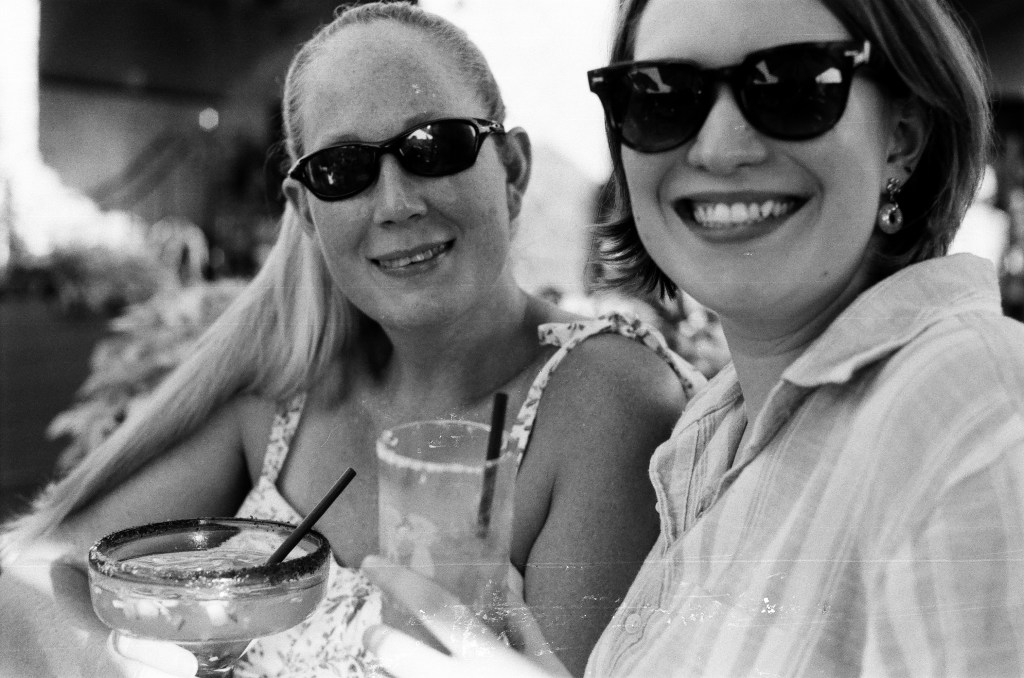
What could possibly be better than queso? Probably just queso with margaritas — and people you love.
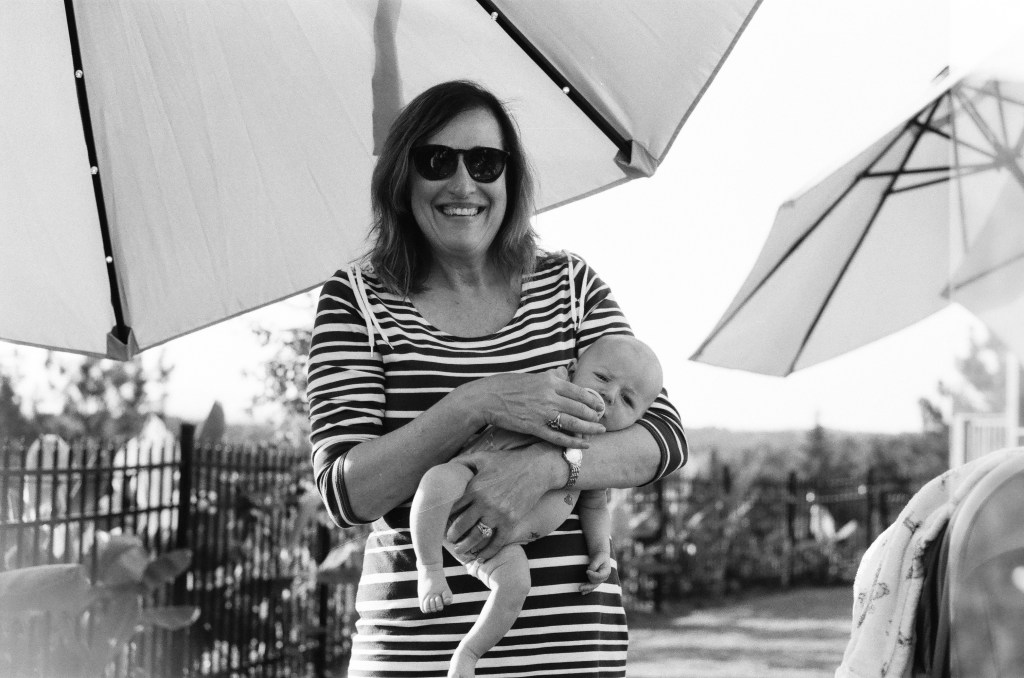
It’s early summer 2024. We’re all out and about with a brand new babe and a set of tired but really spunky new parents. It’s the perfect weather for eating outside at my favorite local Mexican restaurant. I brought along my Minolta XG-1 loaded with Ilford 35mm film.
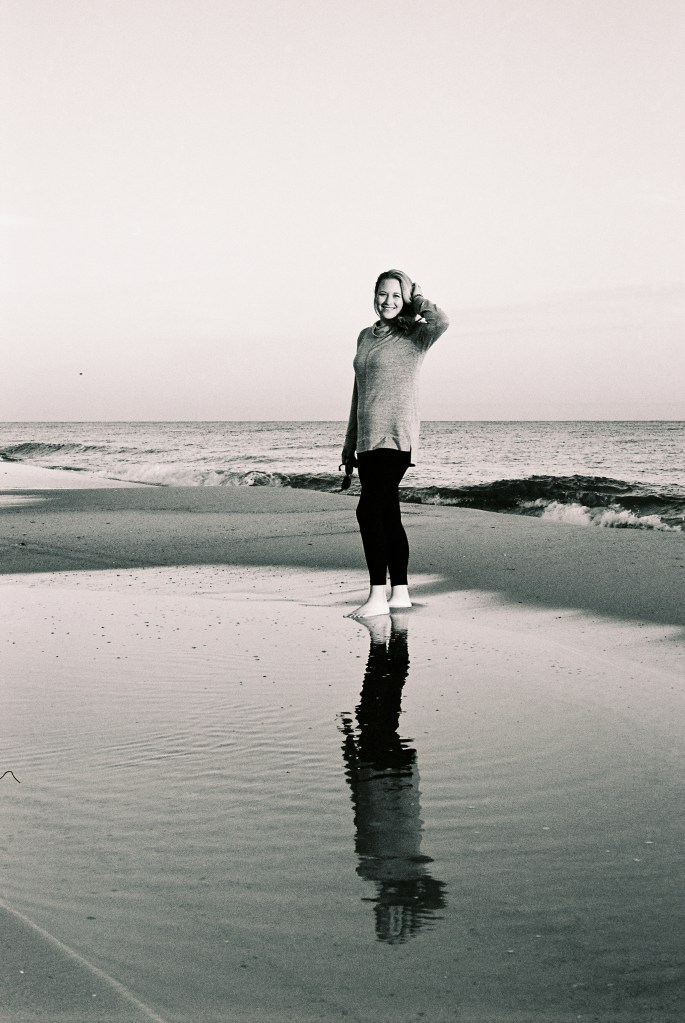
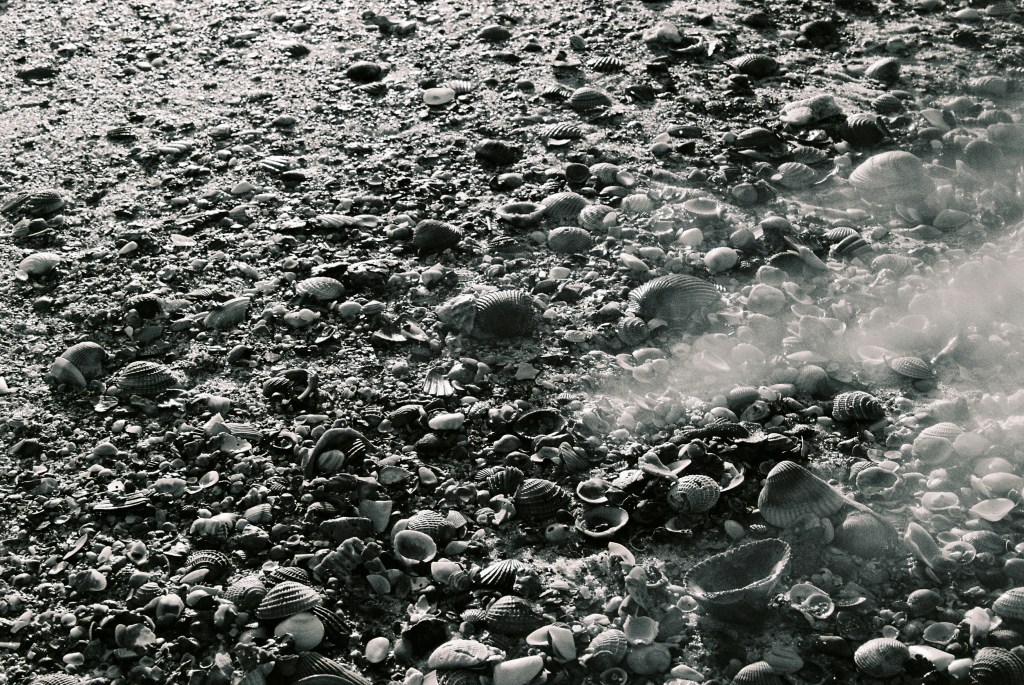
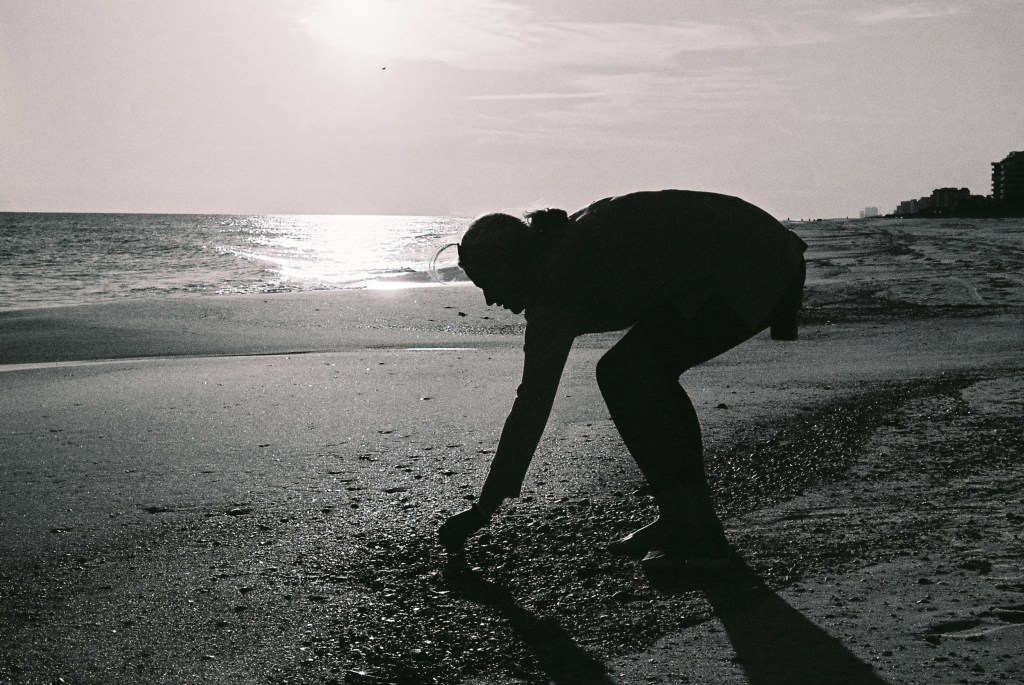
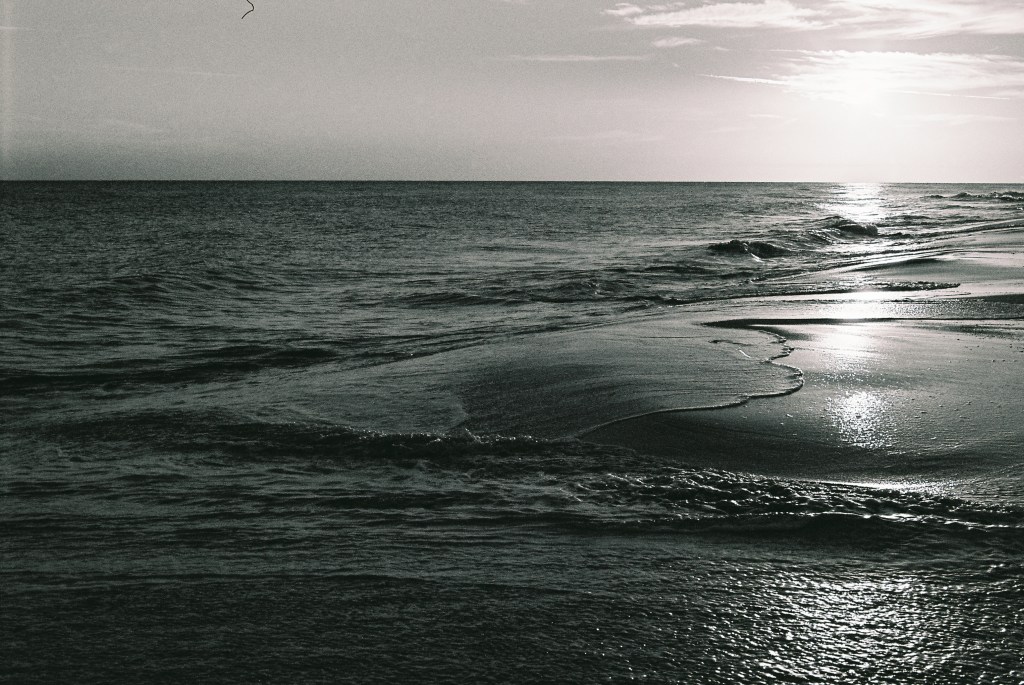
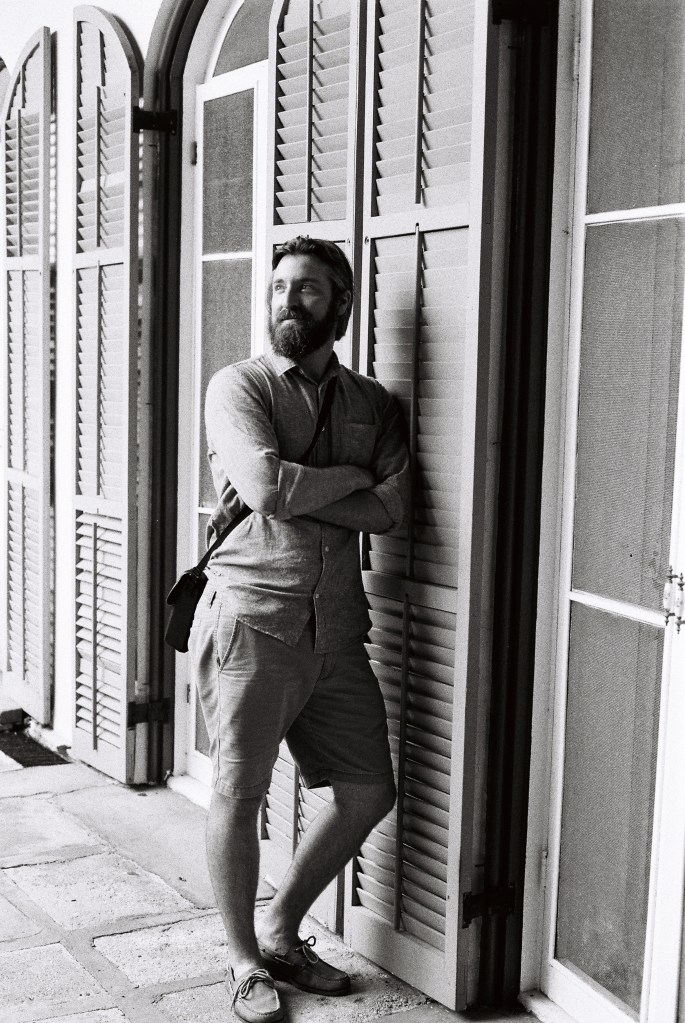
Photos from my Minolta XG-1 (Ilford HP5 Film), 2021
At Hemingway’s house in Key West, where he lived with his second wife Pauline after it was purchased for them by her uncle for $8,000 in back taxes in 1931. Hemingway had a polydactyl cat named Snow White and many of the (~50) cats that still live on the grounds carry this genetic trait. Continue reading →
“For my next camera, I’d like a Minolta,” I mentioned to my friend Zach as we both perused the camera section of the antique shop with its dusty Brownies and rusting Land camera. Scott and I had already restored several Land cameras and enjoy them very much. Scott’s favorite by far is his Polaroid SX-70, a truly beautiful instrument.
But I was craving an old glass lens, with sharp focus and blurred backgrounds, and contrasty black and white film. I’ve had my Holga since 2012, but it doesn’t give much by way of focus (that is to say, the focus is only a rough guess), and the viewfinder is only a rough estimate of what the lens will see.
Less than an hour later, Scott stumbled on this Minolta XG-1 for $15.
The near mint interior held a completed 12-exposure roll of Kodak film, color. His battery was dead, but not corroded. He was labeled to be sold as a “prop camera” by a seller who apparently thought he’d only be wanted for his looks. Unable to test the shutter without a battery, there was no telling if he’d shoot— but the real view seen through the viewfinder was lovely. Scott argued it was worth $15 to take the gamble, who cares if it’s a dud?
Once at home, Scott popped in two button batteries and the XG-1 clicked on like he’d just been used yesterday. With the exception of a loose power knob (that slides out of place a little too easily), he seemed to be working perfectly, the shutter snapping importantly with each test.
This camera is from circa 1982, a consumer level camera from Minolta. The lens is a fixed distance (no option to zoom in or out) 50mm lens. For my first roll of test film I used Ilford HP5 Plus, 400 ISO.







 Unbidden Grace