
It’s Summertime, and the living is easy.
It’s Summertime, and the living is easy.
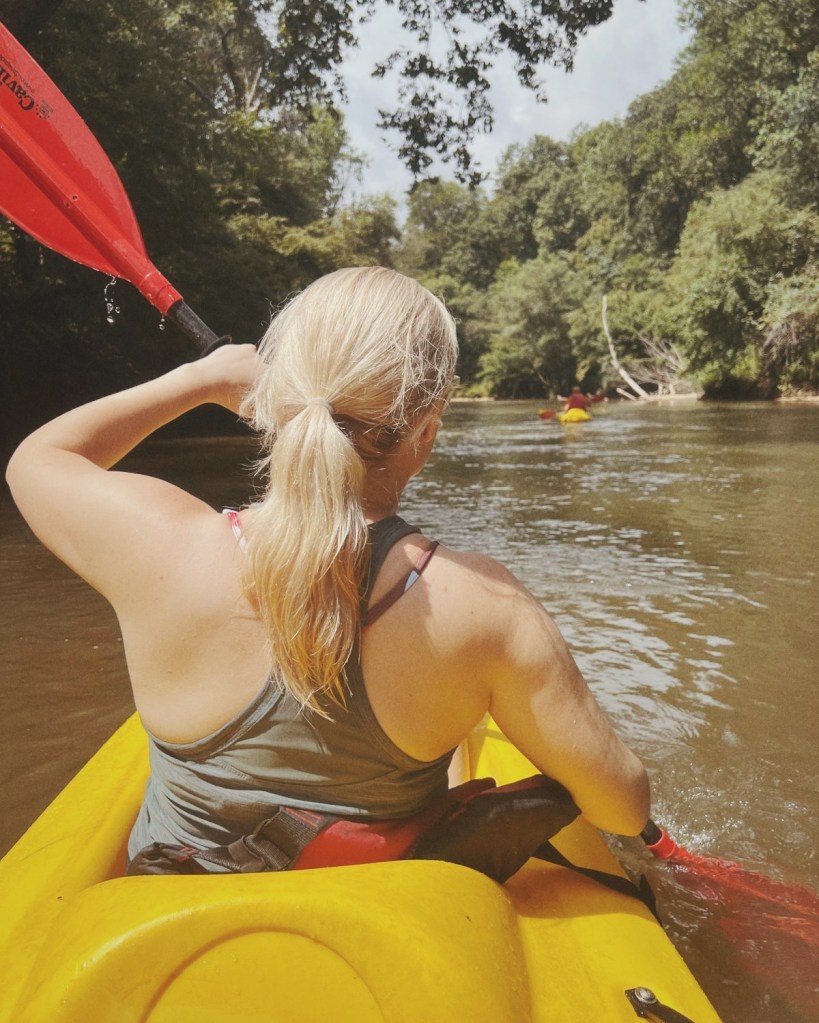
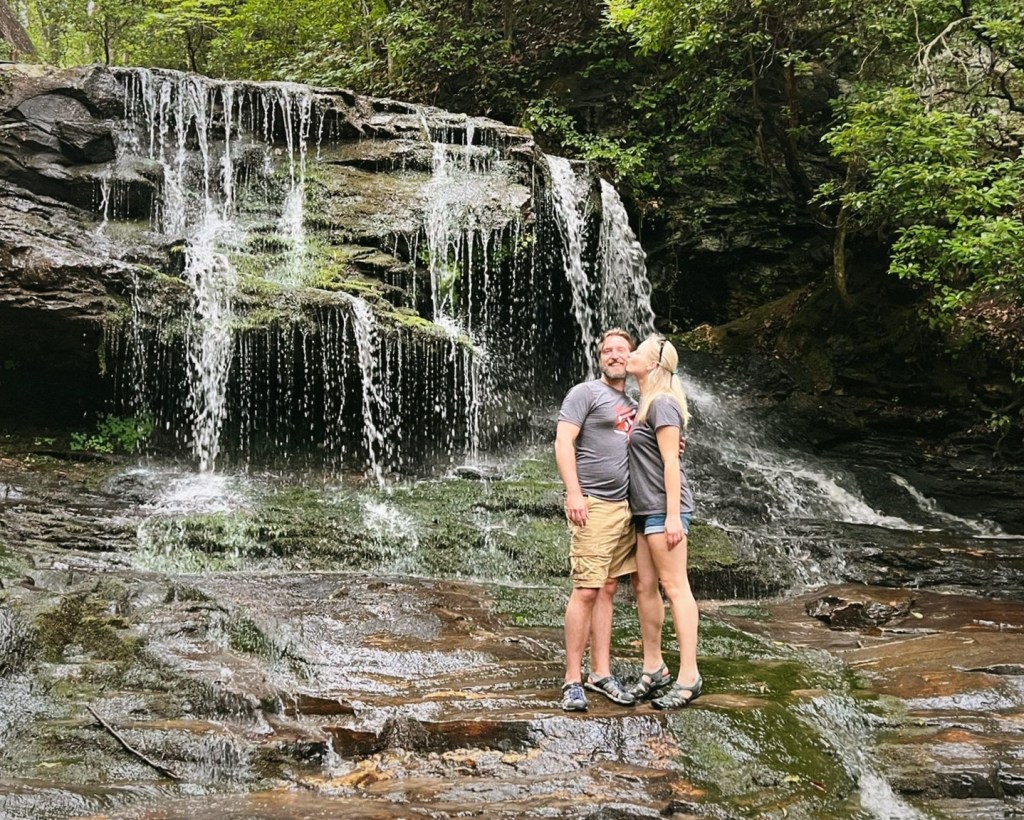
The annual family paddle fell on a Sunday in July this year- the one day we could all manage it. The exact time of year matters less than the event itself. Cool water, melting sunscreen, the short rush of class 1 rapids, a stop at the “beach” for a float and some sugared sour candy. The tune of “hooked on a feeling” fading in and out as it drifts nearer and then further over the water from a glitchy waterproof speaker tossed in a dry bag. Somehow this paddle became part of our identify, a family tradition that is as sacred as a holiday.


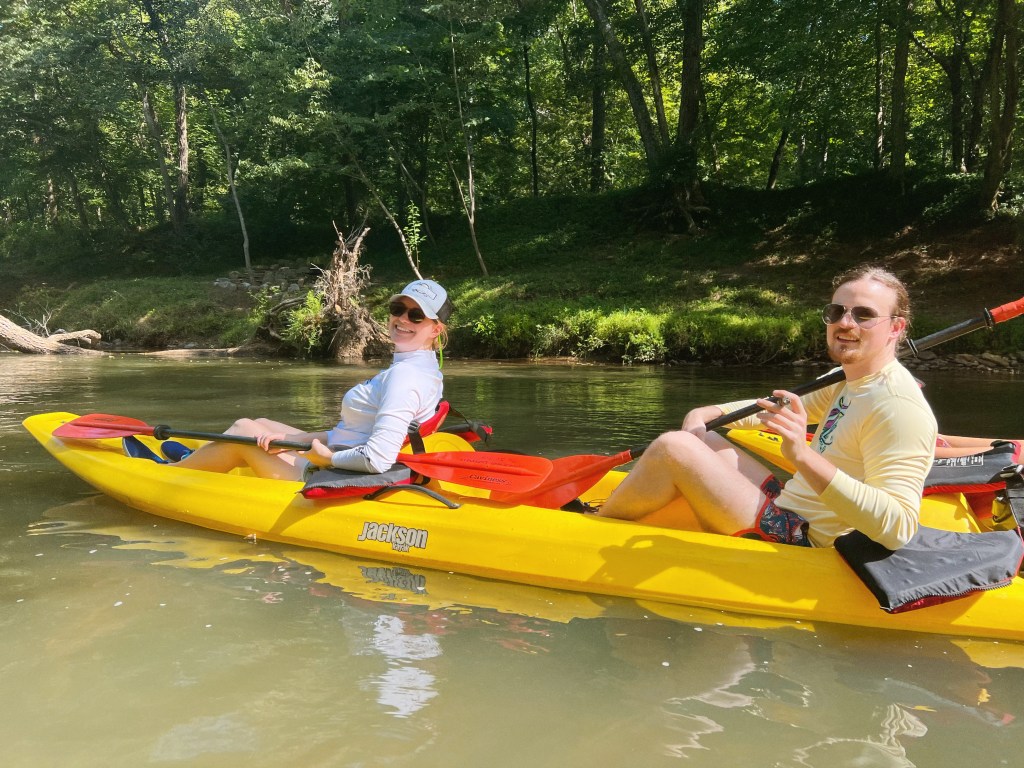

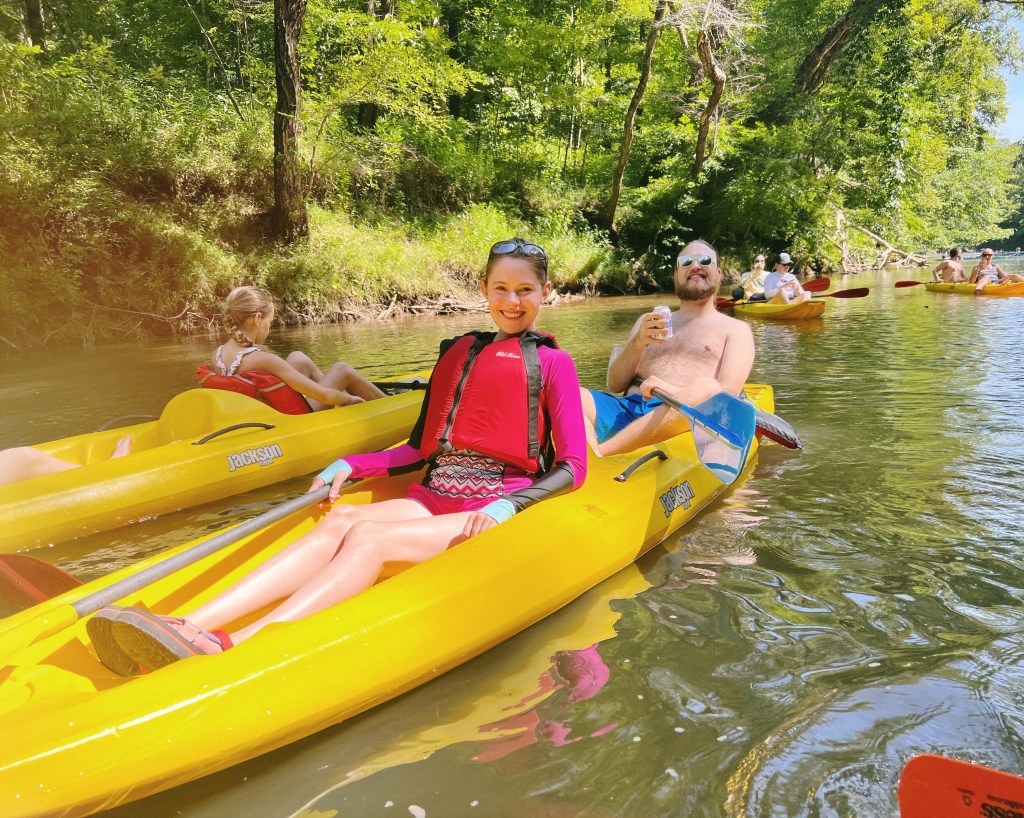

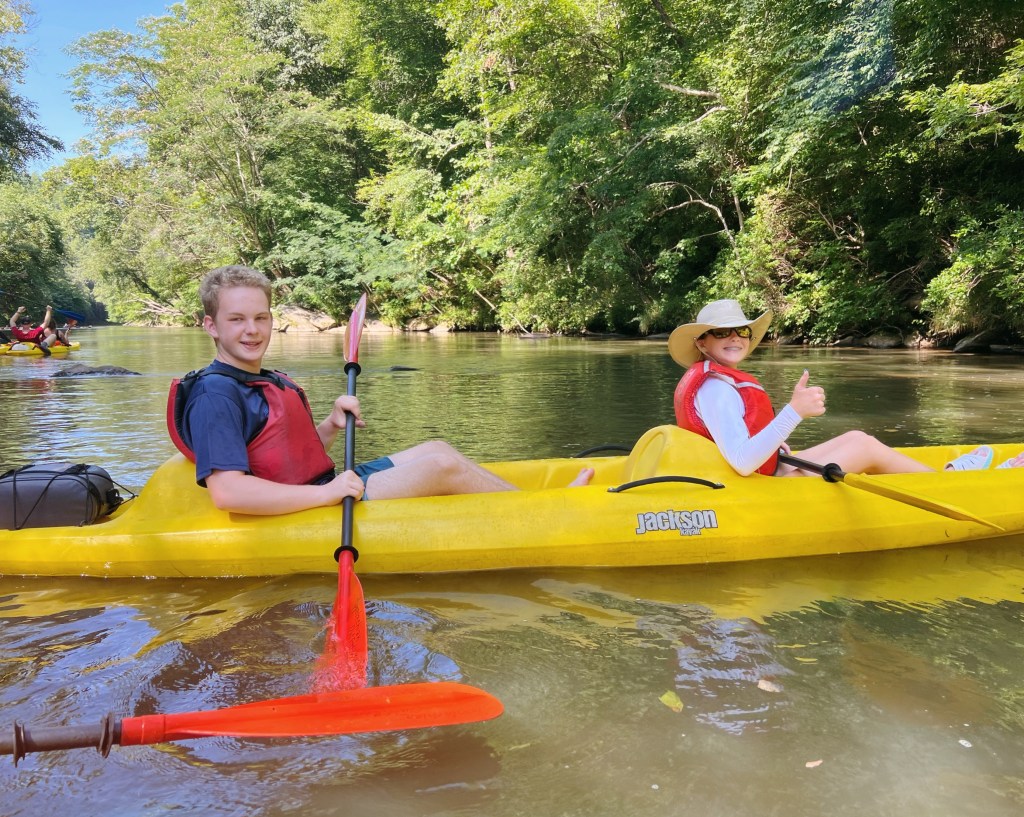

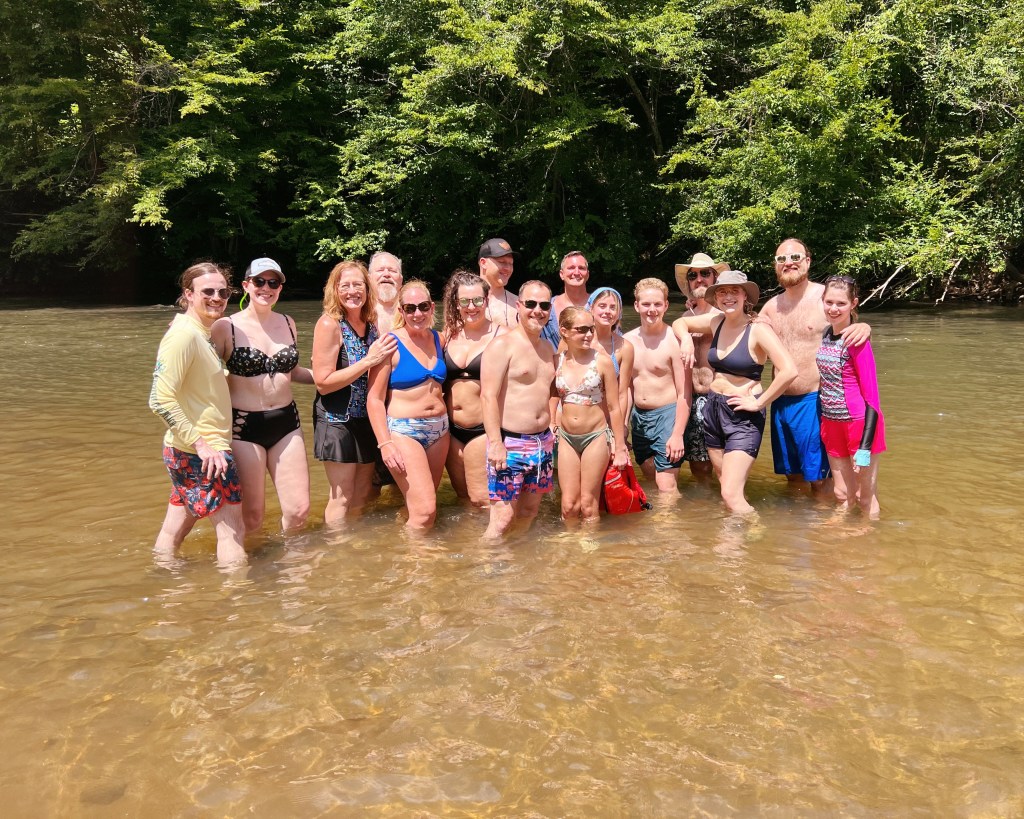
Thinking questions: What traditions are worth intentionally cultivating? How do shared events shape our family identity?
Happy summer, friends! ☀️
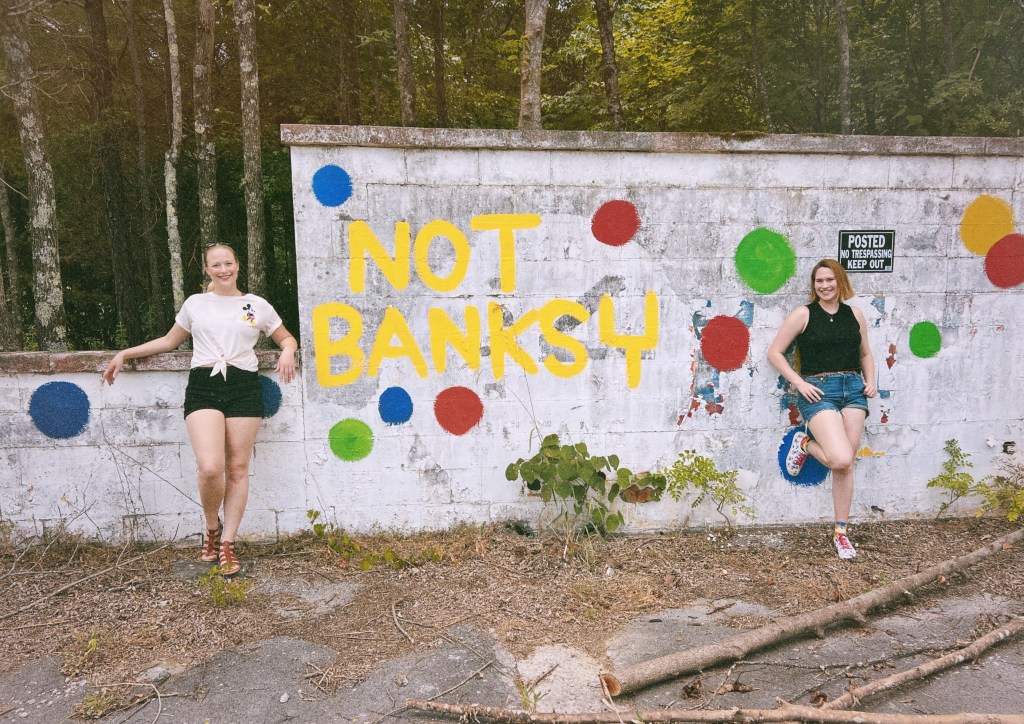
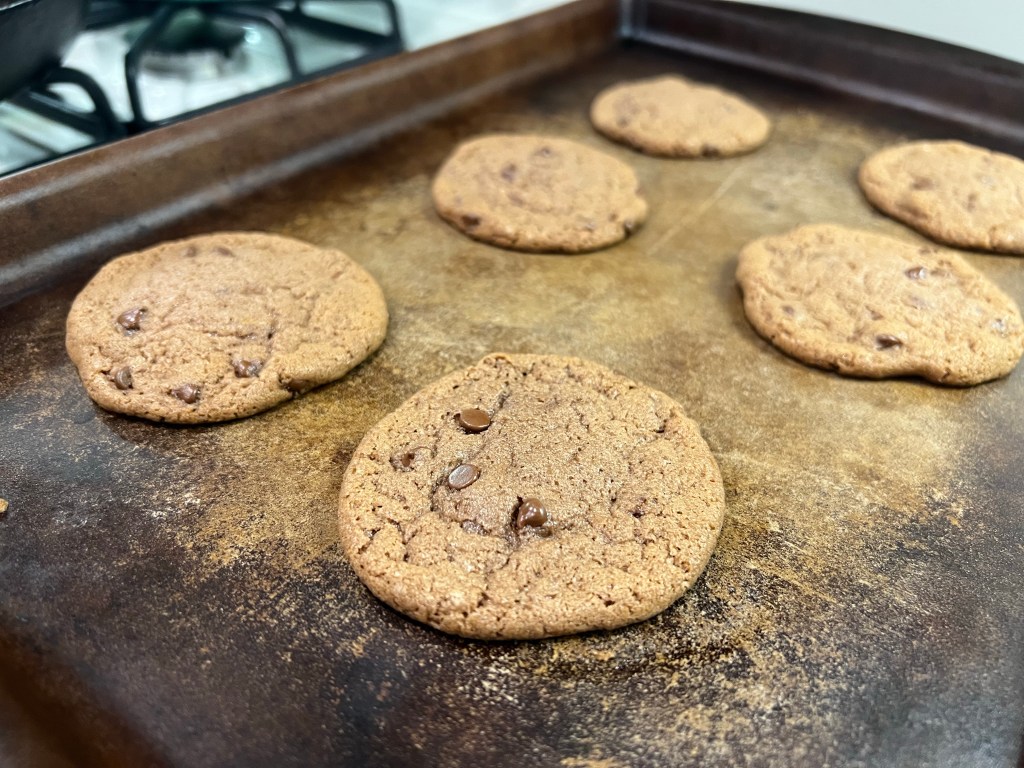

But, some are!
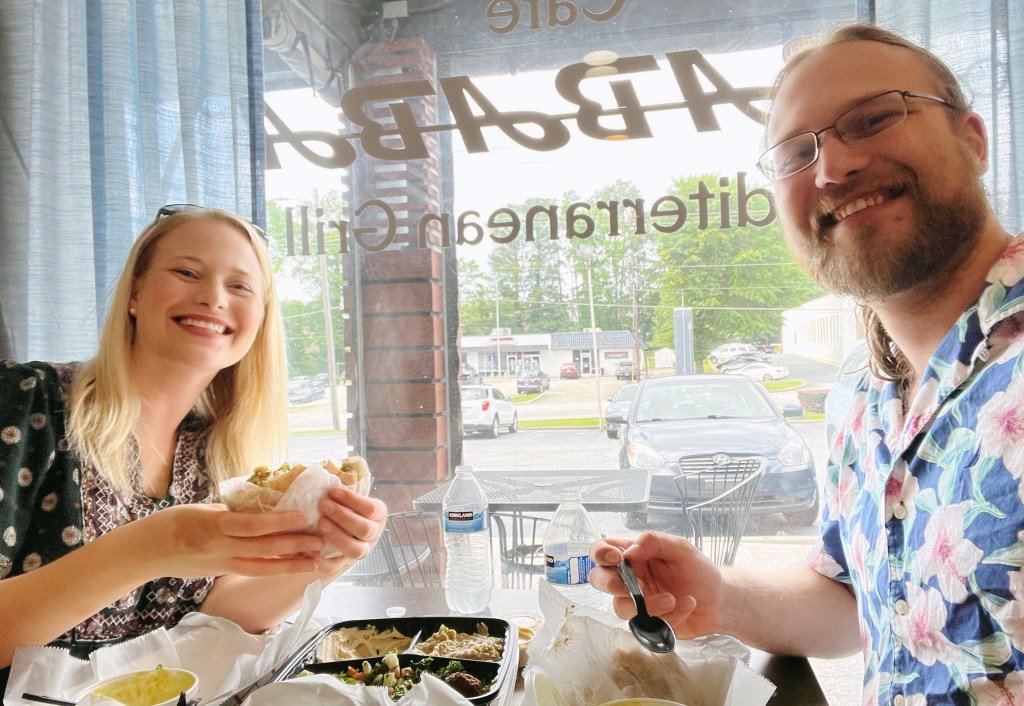

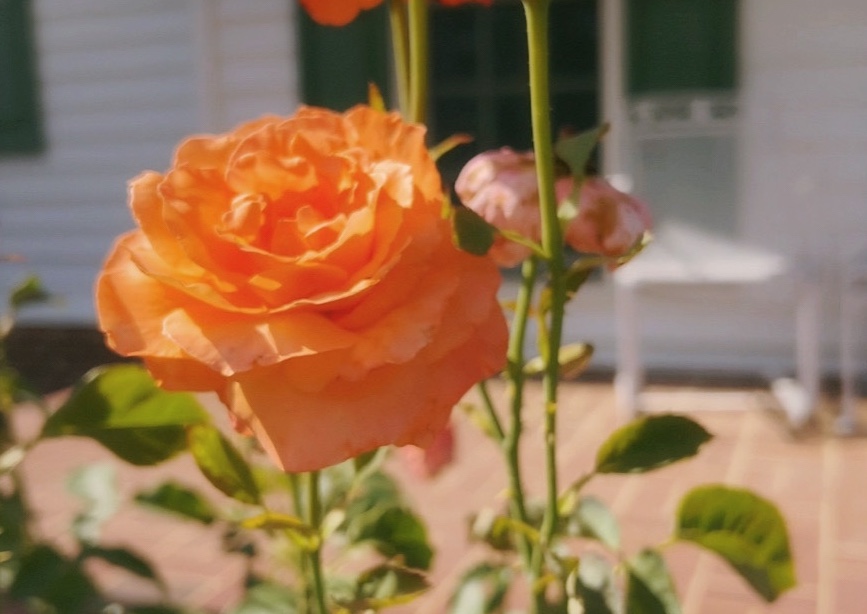
Happy May! What are you grateful for today?
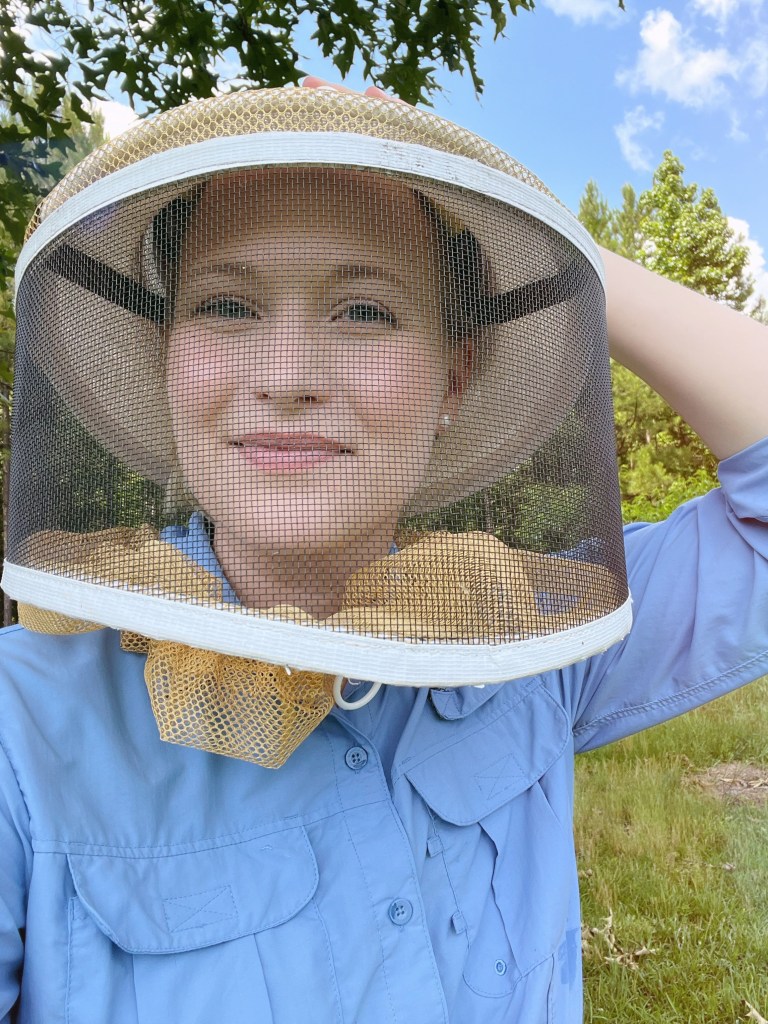
What does one do in a hive inspection? Mostly, a lot of looking and listening.

Looking for the Queen, brood, signs of disease, signs of swarming, honey production, Queen cells, drone cells, beetles, varroa mites…
Listening for their overall mood, easily reflected in their humming, often gentle and work-related, sometimes irritated and loud.
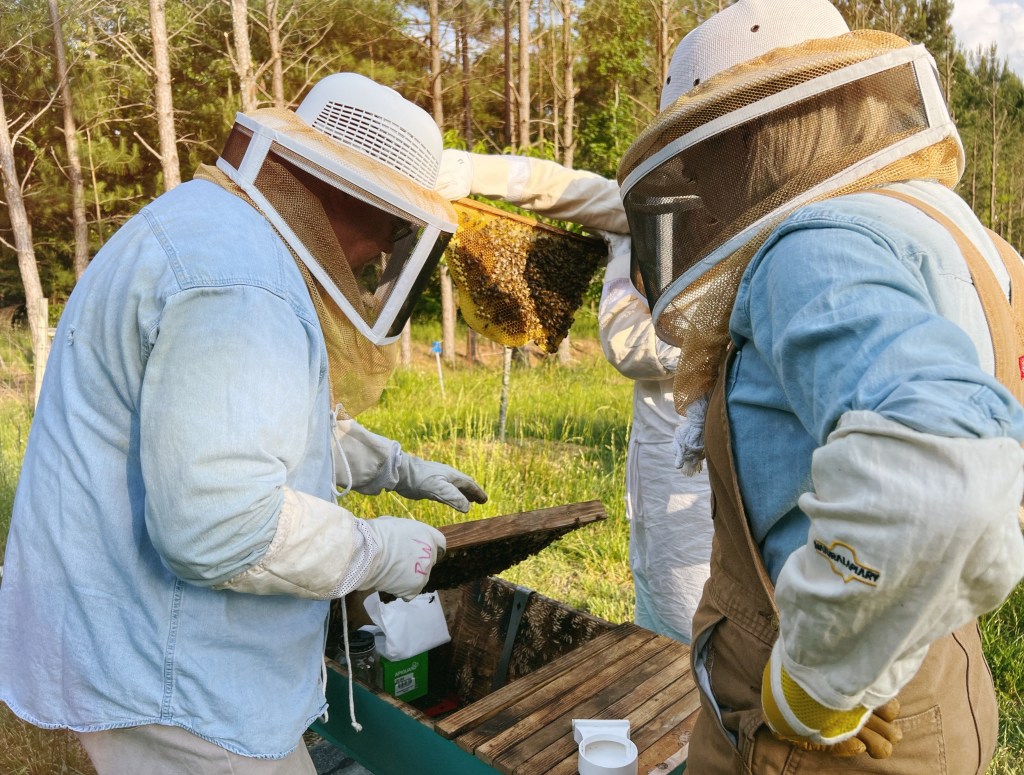
Whether or not you need to really “do” anything during the hive inspection depends entirely on what you see and hear. Often there’s nothing that needs to be done (except maybe refilling a syrup feeder), but sometimes there are interventions and adjustments to make — and usually, ones best made right away in order to prevent disaster — but you never know it until you take the time to look & listen. I’m sure there’s a life lesson in there somewhere.
 Unbidden Grace